
Magnus Aluma
The Ebonyi State Government has reaffirmed its commitment to human capital development, saying sustainable governance is measured by the number of lives transformed rather than the number of physical projects executed.
This was contained in a release issued on Wednesday by the governor’s Special Assistant on Documentation, Dr. Boniface Nwankwo and made available to reporters in Abakaliki, the Ebonyi State capital.
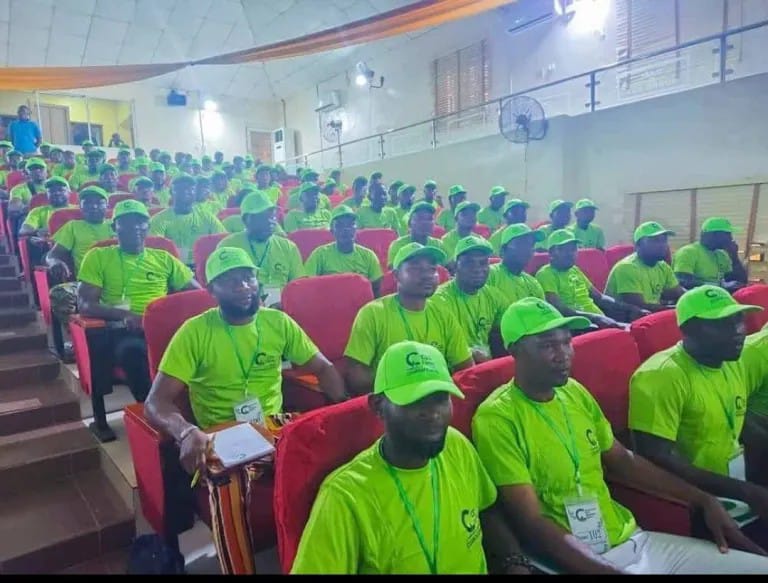
According to him, during the inauguration of the programme in Gora, Nasarawa State, Governor Nwifuru said his administration has remained committed to ensuring that Ebonyi youths were meaningfully engaged in productive and self-sustaining ventures instead of remaining unemployed or depending solely on government.
The release quotes Dr. Nwankwo as saying that Governor Nwifuru flagged off the intensive agricultural training programme in Nasarawa State on October 16, 2024.
He said the agricultural training and empowerment programme for 200 Ebonyi youths, was in line with the People’s Charter of Needs initiative of the state government.
He further explained that the programme was designed to equip participants with practical agricultural skills to promote food security, wealth creation, and entrepreneurship across Ebonyi State.
Dr. Nwankwo disclosed that at end of the programme, each of the 200 beneficiaries who were Councillors from the 171 Wards, and other indigenes of the state received ₦5m, as start-up capital to establish and expand their agricultural enterprises.
He described the initiative as a demonstration of Governor Nwifuru’s conviction that skills acquisition must be backed by financial empowerment to ensure that beneficiaries become self-reliant and contribute meaningfully to the economic growth of the state.
The governor’s aide noted that the intervention reflects the core philosophy of the People’s Charter of Needs, which prioritises empowerment of the citizens with the knowledge, skills, and resources required for sustainable prosperity.
“This programme underscores government’s belief that investing in people remains the most enduring legacy of governance,” he added.
Nwankwo stressed that communities thrive when citizens are equipped with opportunities to build successful livelihoods.
Our correspondent reports that participants at the programme were trained in modern agricultural techniques, including poultry farming, piggery, fisheries, crop production, and other agribusiness value chains, in line with global best practices.








Leave a Reply