
By Engr. Casmir C. Nguzoro, MNSE.
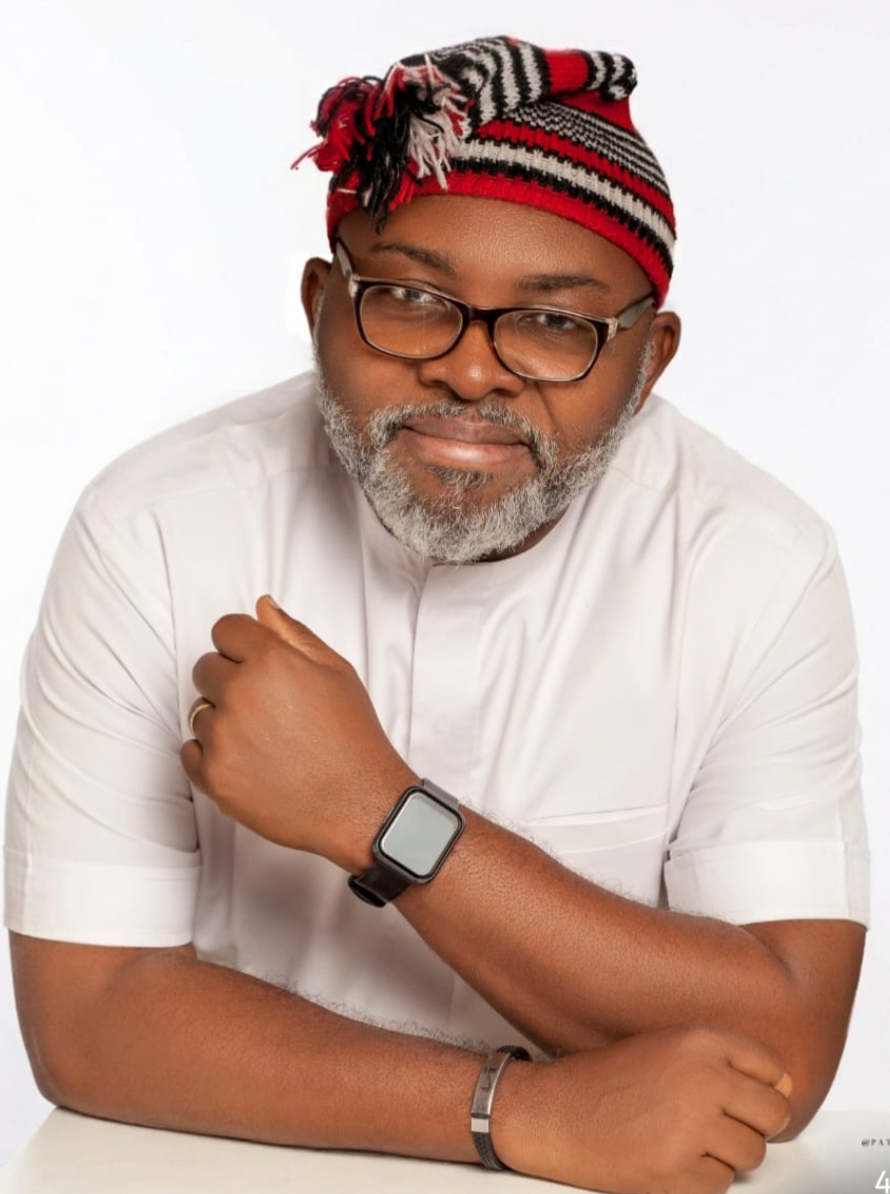
“In my assessment as a concerned citizen, Hon. Ken Agbim, PhD, represents a leadership approach that aligns with the urgent needs of Mbaise. What stands out is not only his political ambition, but his understanding that the development of Mbaise requires unity and collaboration.”
Politics is often described as the art of governance. But beyond governance, politics is also the art of negotiation, influence, strategic thinking, and effective representation.
A community may produce some of the brightest minds in academics, business, professions, and public service, but without strong political representation, its ability to influence decisions that shape its future may remain limited.
Both Mbaise and Owerri zone have never lacked brilliant minds and capable sons and daughters. What many believe we have lacked is sustained political coordination, strategic representation, and a united voice when it matters most. This is not a call for division. It is a call for political consciousness, strategic thinking, and a renewed commitment to securing the future of our people.
Historically, Mbaise occupied a significant position in the political structure of Owerri Zone. Before 1984, the old political arrangement gave Mbaise considerable influence because of its population and administrative strength. At that time, out of the four local government councils that made up the old Owerri Zone, Mbaise had two.
However, the political equation gradually changed following subsequent administrative adjustments and local government creations.
Between 1985 and 1998, during the period of military-led local government restructuring, additional local governments were created across Imo State. Many stakeholders in Mbaise have continued to argue that the outcome of those exercises altered the political balance of the zone.
Today, Owerri Zone consists of nine local government areas, with Mbaise represented by Ahiazu Mbaise, Aboh Mbaise and Ezinihitte Mbaise.
One of the issues frequently discussed among Mbaise stakeholders is the case of Ahiazu Local Government Area, which was created in 1976 during the administration of the then Head of State, General Olusegun Obasanjo.
Unlike several other local government areas created around similar periods that were later divided or restructured, Ahiazu has remained a single local government area for decades.
The former Owerri Local Government eventually produced Owerri Municipal, Owerri North, Owerri West and Ngor Okpala. The former Mbano produced, Isiala Mbano and Ehime Mbano, while the former Okigwe produced Okigwe and Onuimo with the former Etiti producing Ihitte/Uboma and Obowo
Also, the former Nkwere/Isu produced Nkwere and Isu; with the former Ideato producing Ideato North and Ideato South.
Another issue often discussed is Ekwerazu, which was created as a local government area in 1983 by the late Dr. Sam Onunaka Mbakwe, the first civilian governor of old Imo State. While some local government areas created during that period later evolved into full councils, Ekwerazu followed a different administrative path and was later designated a Development Centre under the administration of Governor Achike Udenwa.
For many people in Mbaise, these historical realities raise questions about political balance, administrative opportunities, and equitable development.
Regardless of different perspectives on the issue, one lesson remains clear: Development does not happen by accident neither are roads attracted by silence. Federal projects do not arrive simply because communities need them.
A representative must not only occupy an office; he must understand the responsibility attached to that office. “A person who is absent when decisions are made should not be surprised when the outcome does not favour him.”
This is why the 2027 election is not just another political contest. It is a defining moment for Mbaise and Owerri Zone.
The future of Mbaise cannot be built through division. It requires leaders who understand collaboration, partnership, and strategic engagement. The challenges before our people are bigger than political parties.
Mbaise needs representatives who can work with federal institutions, the state government, community leaders, traditional institutions, investors, and development partners within Nigeria and abroad.
As the people of Ahiazu/Ezinihitte Mbaise Federal Constituency prepare to make a choice in 2027, the question should not only be about who seeks the position. The question should be: Who understands the challenges before us? Who has the vision? Who has the courage and capacity to negotiate opportunities for our people?
HON. KEN AGBIM: A VISION FOR A RENEWED MBAISE
In my assessment as a concerned citizen, Hon. Ken Agbim, PhD, represents a leadership approach that aligns with the urgent needs of Mbaise. What stands out is not only his political ambition, but his understanding that the development of Mbaise requires unity and collaboration.
Listening to Hon. Ken Agbim speak about the future of Mbaise, one message remains consistent: Mbaise cannot develop in isolation. The future requires collaboration with state and federal stakeholders, community leaders, private sector partners, development organisations, and Ndi Mbaise at home and abroad.
Mbaise does not need representatives whose decisions are controlled by external interests. It needs leaders with the courage to listen first to the people who gave them the mandate.
We need representatives who can build bridges across political divides, negotiate opportunities, and place the collective interest above personal or political obligations.
“Politics may divide opinions, but development must unite people.”
THE MBAISE ECONOMIC RENEWAL AGENDA
The Mbaise Economic Renewal Agenda represents a vision for transforming the economic foundation of our communities.
One of the major pillars of this agenda is the proposed transformation of Afor Ogbe Abattoir into a modern livestock economic centre.
This vision goes beyond creating a place where cows and goats are slaughtered. It is about building an economic hub that can attract traders from neighbouring Local Government Areas and states, create employment opportunities, improve hygiene standards, and position Mbaise as a major destination in livestock commerce.
As President of the Ihitteaforukwu Progressives Club, which he co-founded, Hon. Ken Agbim has been involved in several grassroots interventions.
The club has provided ₦100,000 scholarships to 266 students of Ihitteaforukwu in various higher institutions, empowered 52 farmers and 52 artisans with ₦100,000 each to support their businesses, supported community security initiatives, built new toilets in Ogbor and Umunomo.
Last year they renovated St. James and St. Gregory Primary Schools, supported maintenance of community roads.
Agbim,facilitated the construction of a five-classroom block at Community School Ogbor through IMSUBEB.
Facilitated the construction and tarring of the Ukwubegba–Ogbor–Umueze link road through the late Rt. Hon. Benjamin Uwajiogu. Built eight units of open market shades at Nkwo Ogbor Market. Supported annual scholarship awards across the 12 wards of Ahiazu.
Promoted youth development through football competitions.
Supported market women empowerment initiatives.
Assisted constituents with medical needs and employment opportunities.
History rarely remembers communities that only complain about their challenges. History remembers communities that organised, united, and took deliberate steps to change their destiny. The future of Mbaise and Owerri Zone will not only be determined by what we have lost, but by the choices we make today.
The 2027 election is an opportunity to choose effective representation, strategic leadership, and a voice that understands the responsibility of public office. “When a people speak with one voice, history listens.”
The time to build a stronger political and economic future for Mbaise and Owerri Zone is now.

Leave a Reply