
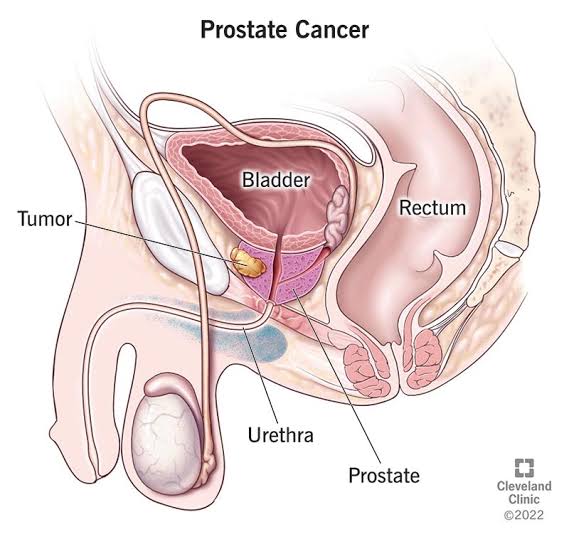
There is hope that a new treatment for prostate cancer could be as effective as surgery or radiotherapy but has lower risk of side effect, according to a major study.
The BBC reports that the treatment, named focal therapy, uses high-intensity ultrasound or freezing cryotherapy to destroy cancerous tissue.
It the result of a 10-year NHS study led by Imperial College London, which followed nearly 3,500 men who received the therapy, providing long-term data that medical regulators had previously said was missing.
According to the BBC report, researchers say the results are “excellent” and they are likely to add to pressure for focal therapy to be made more widely available.
“Nearly all the men had intermediate or high-risk prostate cancer – but 10 years after treatment only two had died from the disease.
“These outcomes are as good as surgery or radiotherapy, but with less than half the risk of side effects such as urine leakage or loss of sexual function,” the BBC report said.
It added that the joint senior author Prof Hashim Ahmed, consultant urologist at Imperial College London and Imperial College Healthcare NHS Trust, said the findings demonstrated that “focal therapy delivers excellent long-term cancer control across a broad range of patients.”
The BBC further said that focal therapy was introduced more than 20 years ago but at present only about 1,000 men a year in the UK receive it – despite there being up to 15,000 who could benefit.
It also explained that the therapy is not suitable for men whose cancer is in multiple parts of their prostate or has spread beyond the gland.
The BBC stated further that a key reason the therapy has not been rolled out more widely to date is concern about long-term survival and whether treating only part of the prostate might lead to higher recurrence.
However, the study, supported by the National Institute for Health and Care Research, suggests these fears are largely unfounded.
But the health regulator NICE has not approved focal therapy as a routine treatment largely because long-term evidence has been limited.
In turn this means hospitals are not obliged to offer it to patients.
As a result, routine access on the NHS is limited to 10 centres in England, with none elsewhere in the UK – a situation prostate cancer campaigners have condemned as a “postcode lottery”.
Last month, the government committed up to £2.8m to expand focal therapy provision in England, creating several new centres.
In Nigeria, studies show that about 25, 000 men are diagnosed annually with prostate issues.
The mortality rate is high in the country due to late diagnosis and inadequate treatment facilities.










Leave a Reply